Identity for Voice Agents
 Mirai Minds
Discovery
My first call with Sneh (the founder of MiraiMinds) was more like two tech nerds discussing how the future of interfaces will become audio first, something we have already been seeing with the adoption of WisprFlow.ai.
The "Voice Agent" product built by them was working on similar principles, where these voice agents become the first point of contact for cold outreach.
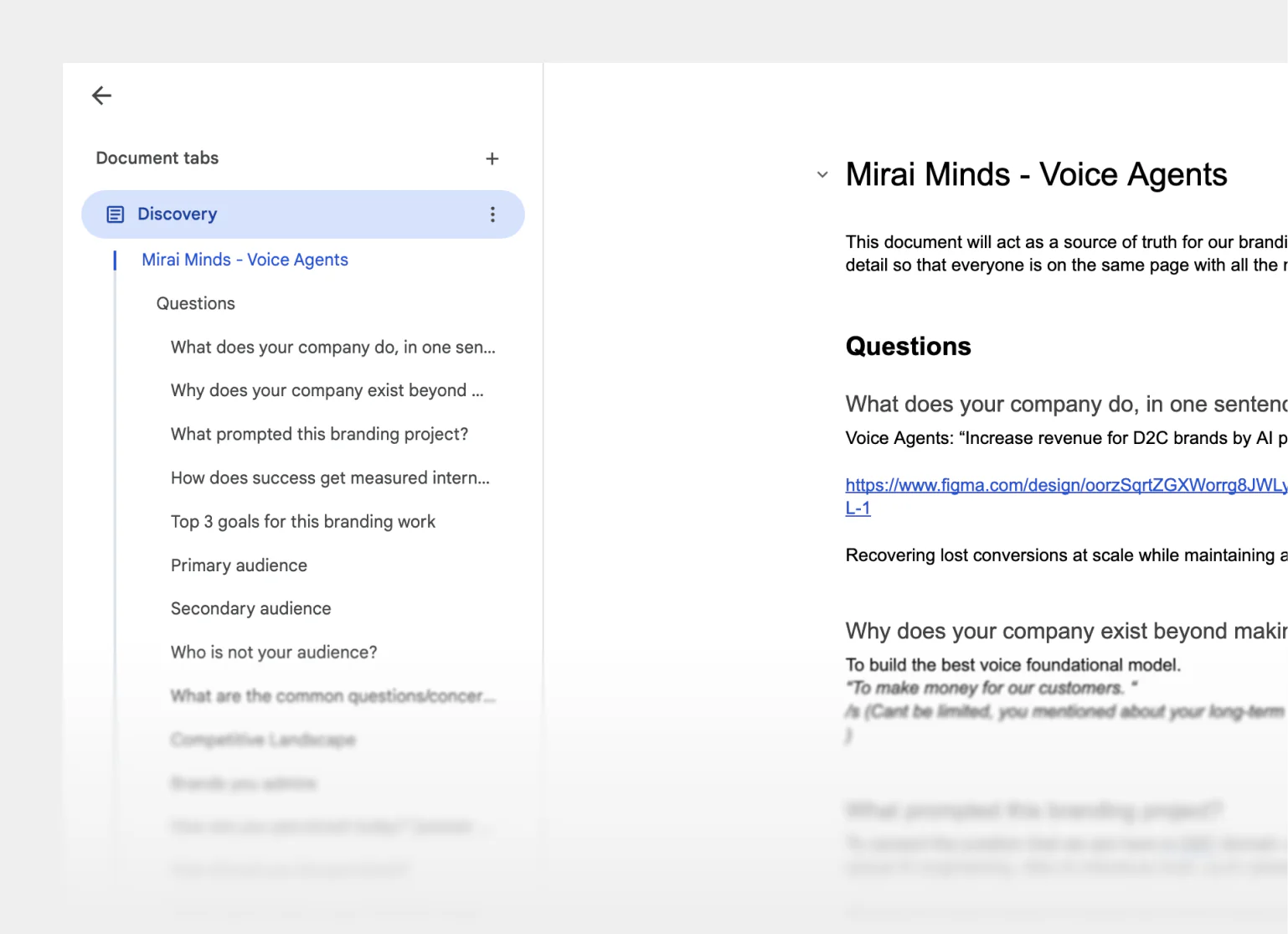
After getting some idea, I shared a simple discovery document which helps me understand the product and company as well as what success looks like for this branding project.
Product Breakdown
MiraiMinds is an applied GenAI service company which builds products quickly with quality for others.
Their product "Voice Agent" was a project out of their think tank.
It's a product for D2C companies that want to automate cold outreach calls using AI voice agents. It clones a company's top sales rep, including their voice, tone, cadence, and best-performing script, so they can scale outbound sales with brand-aligned conversations.
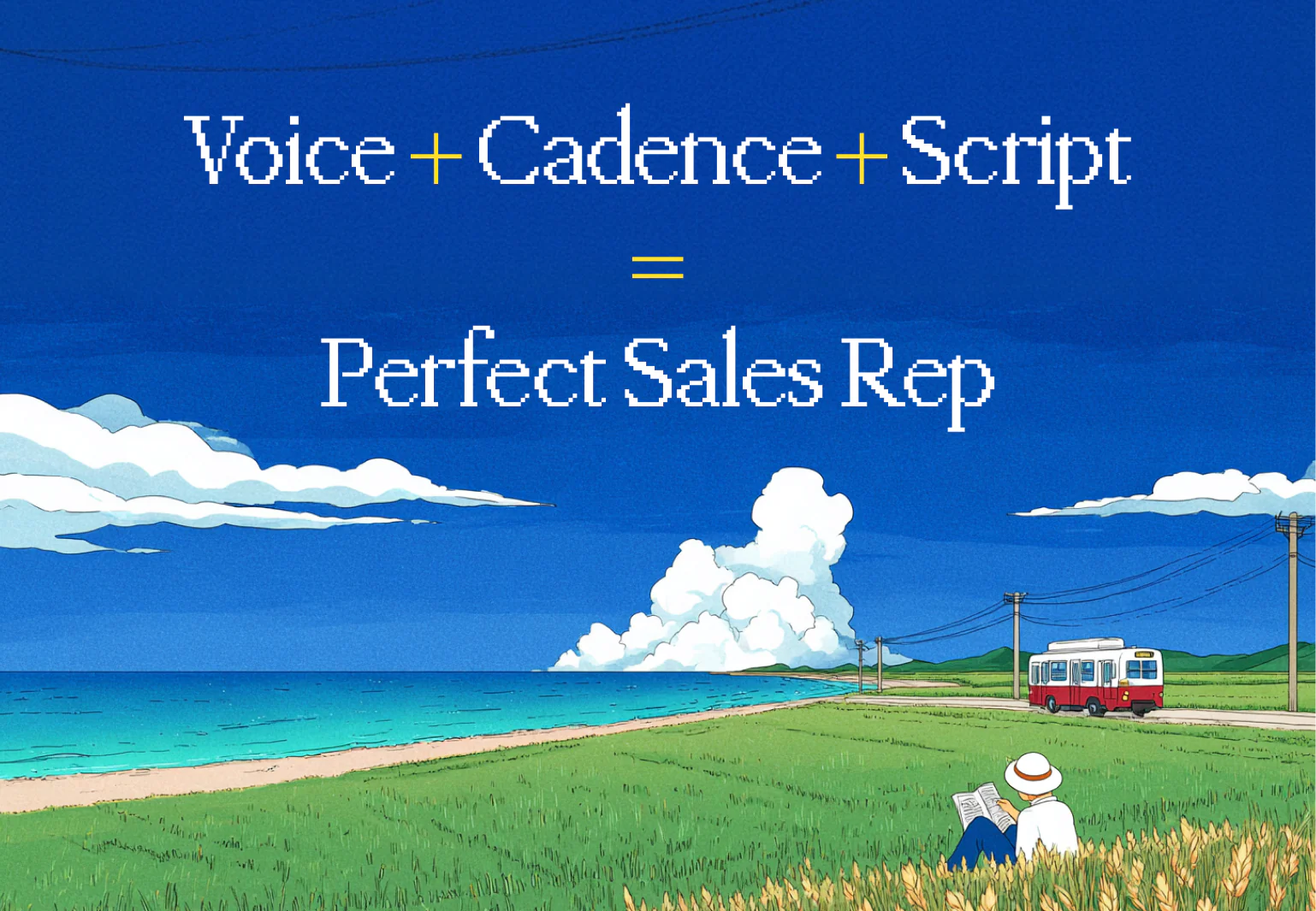
Instead of manually training and managing large sales teams, companies can replicate their best rep at scale, reduce mistakes, and quickly analyze and improve performance.
Brand Building
So now that I had the understanding of what the product is and how it is positioned in the founder's mind, I got started putting all the puzzle pieces together.
I began by breaking down the problem they were trying to solve for their users. As a D2C seller, you can't reach out to everyone and help.
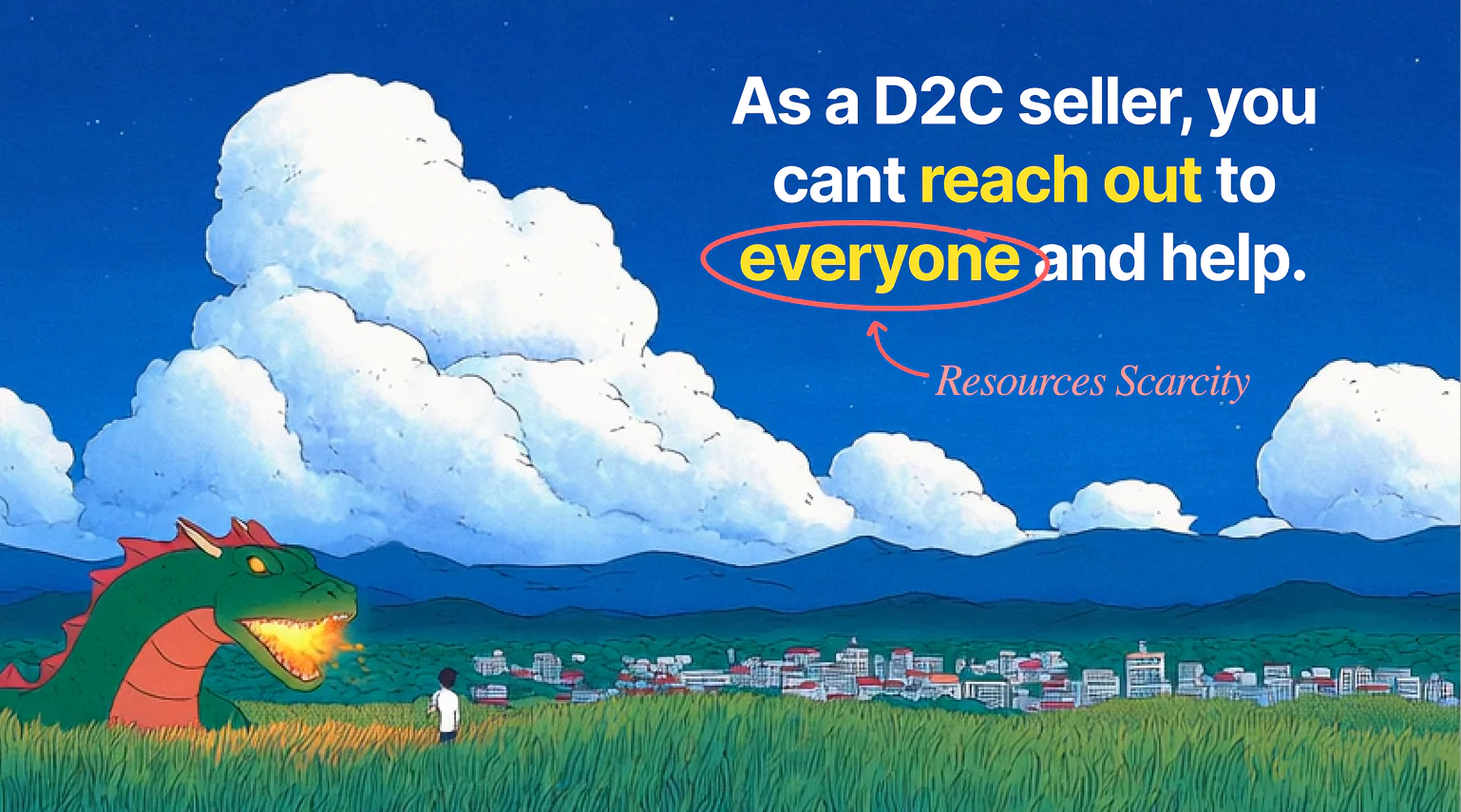
"Reaching out" to everyone and keeping the best pitch every time is a strong problem, which the founder had already identified. But this is the very technical and operational part of the problem.
But there is another very important aspect of this statement,
which points to the human aspect of this problem... that is "helping".
What does it mean to help?
In the early stages of their brand, founders personally reach out to customers, and it shows how much they care about the problem.
It's not about helping. It's about caring about their customers.
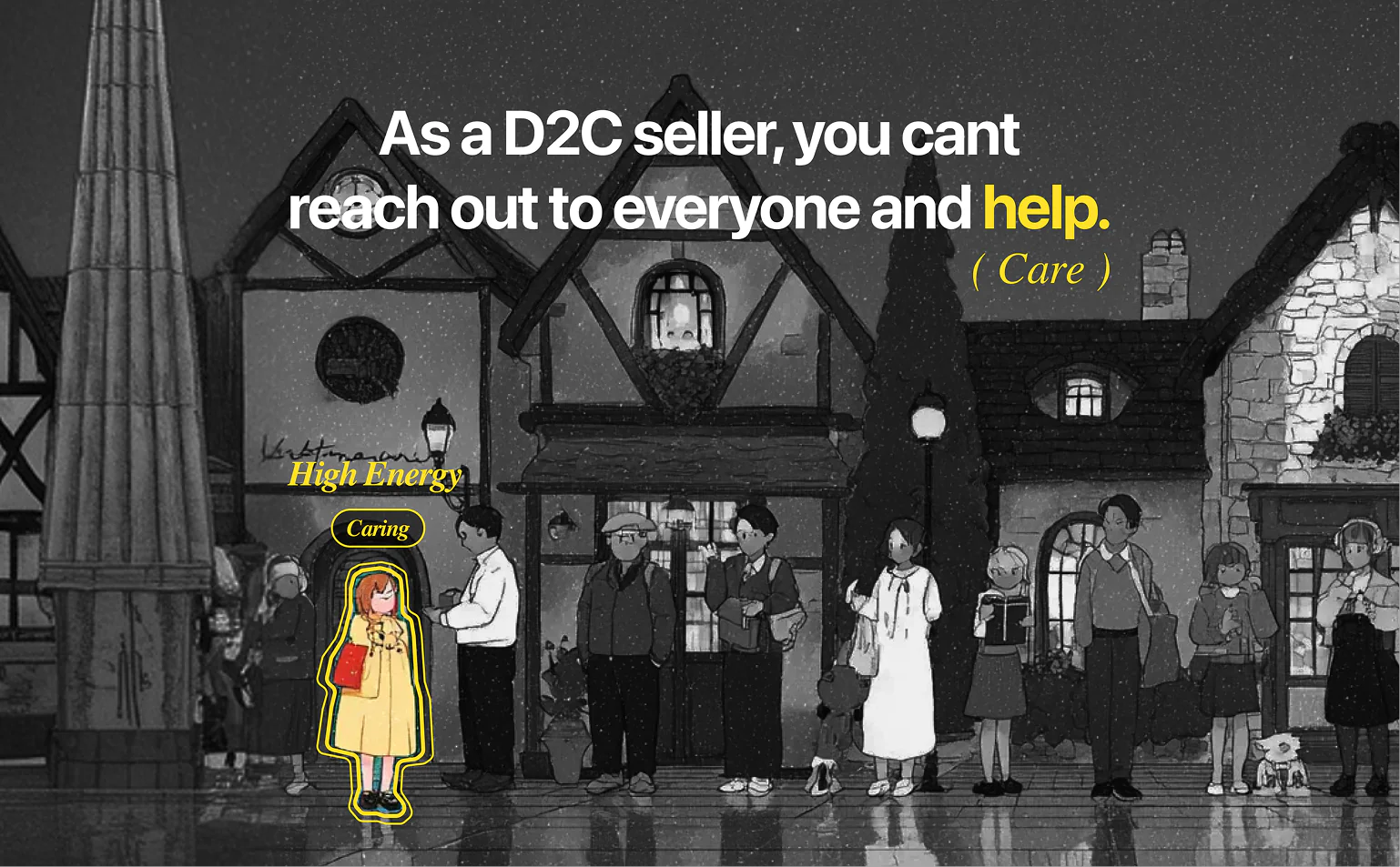
Founders often handle customer outreach themselves because they genuinely care about solving the problem. But after dozens of calls a day, that energy and excitement naturally fades.
By the 50th customer, the passion in their voice can sound exhausted even when they still deeply care. For brands built on trust and empathy, that inconsistency hurts the customer experience.
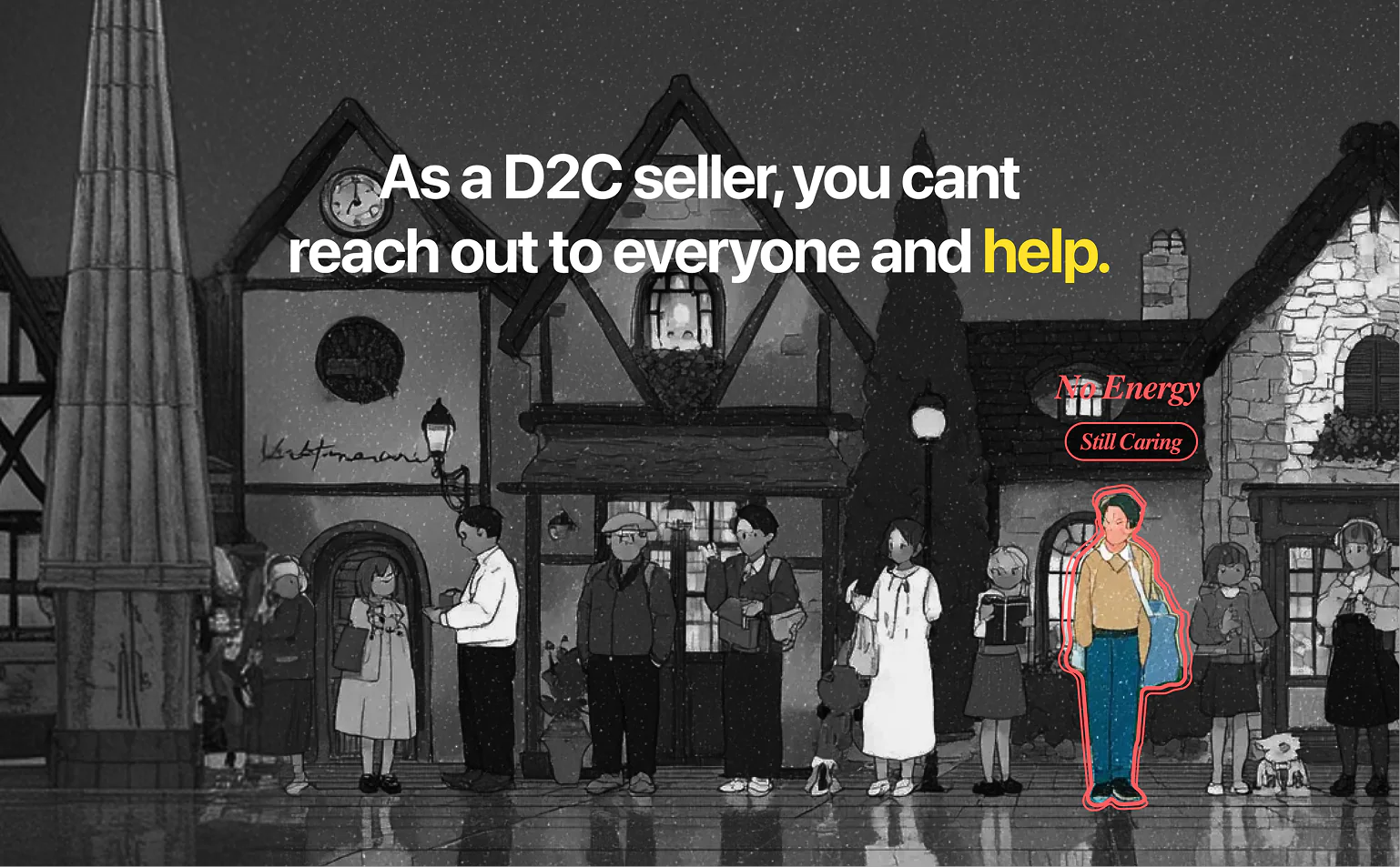
This is a deeper problem for a brand than just an abandoned cart. It's not about money anymore, it's about their reputation.
So we want to save the reputation of these brands by making sure that when the 50th call happens, it feels like the first call.
This helps us define our purpose.
Brand Purpose
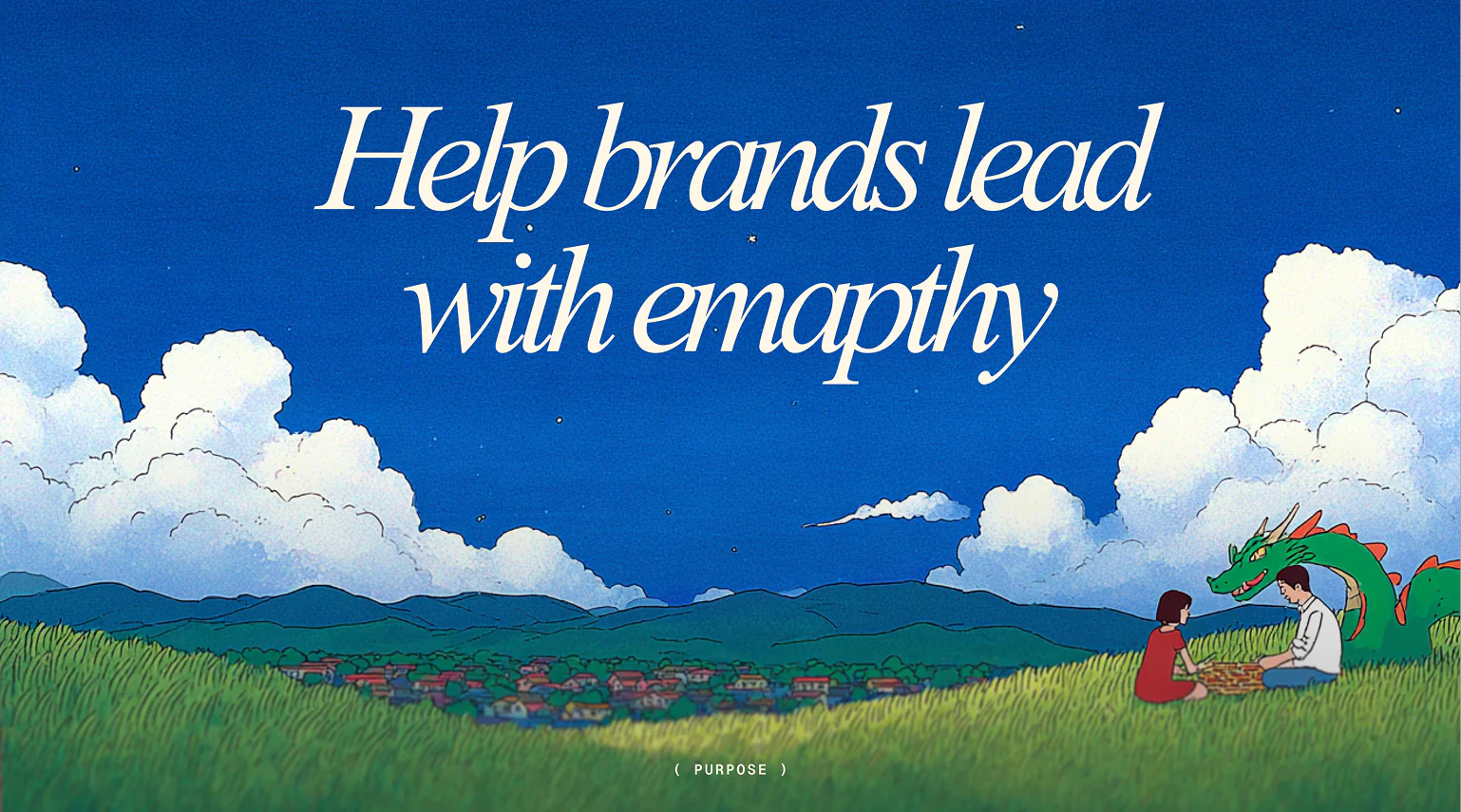
We want to ensure that the empathy that the founder had for the problem is not lost after 100 calls.
So our purpose becomes to "help brands lead with empathy".
Brand Mission
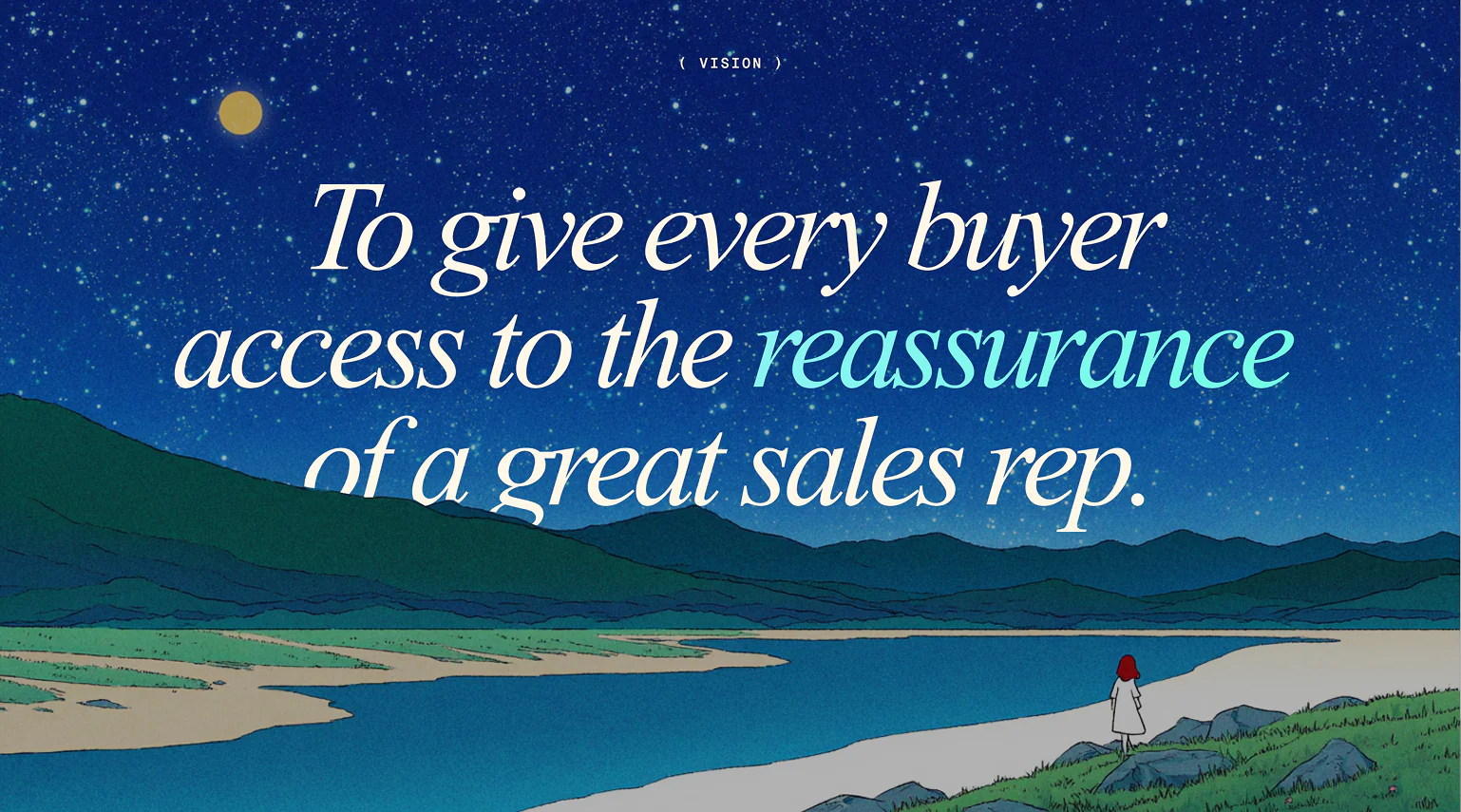
And how do we achieve that? By achieving our mission of "Giving every buyer access to the reassurance of a great sales rep."
Naming
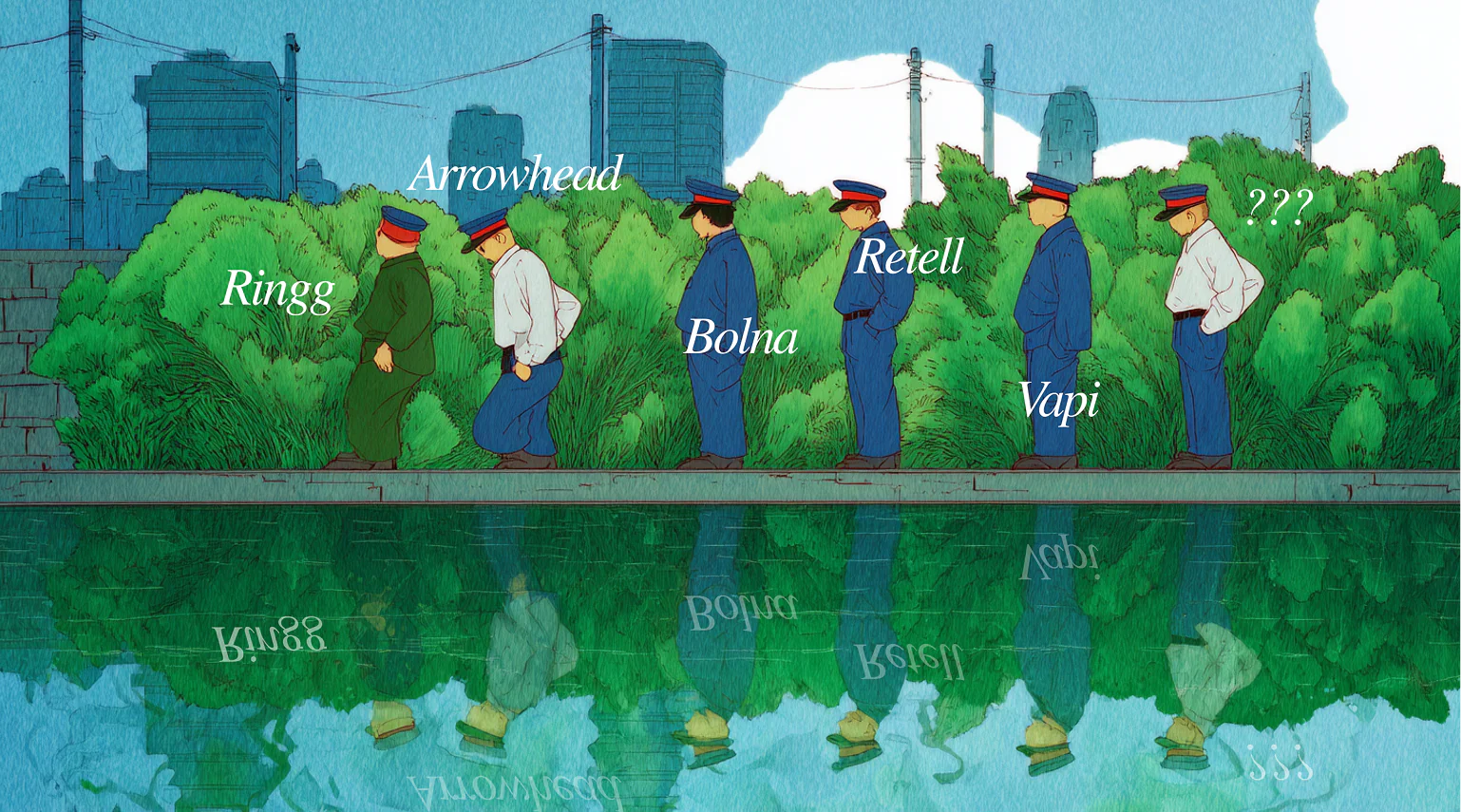
If we look at other competitors, we see names resembling one of two things: talking or calling.
But importantly, all of them feel limited. Our name should come from our core beliefs.
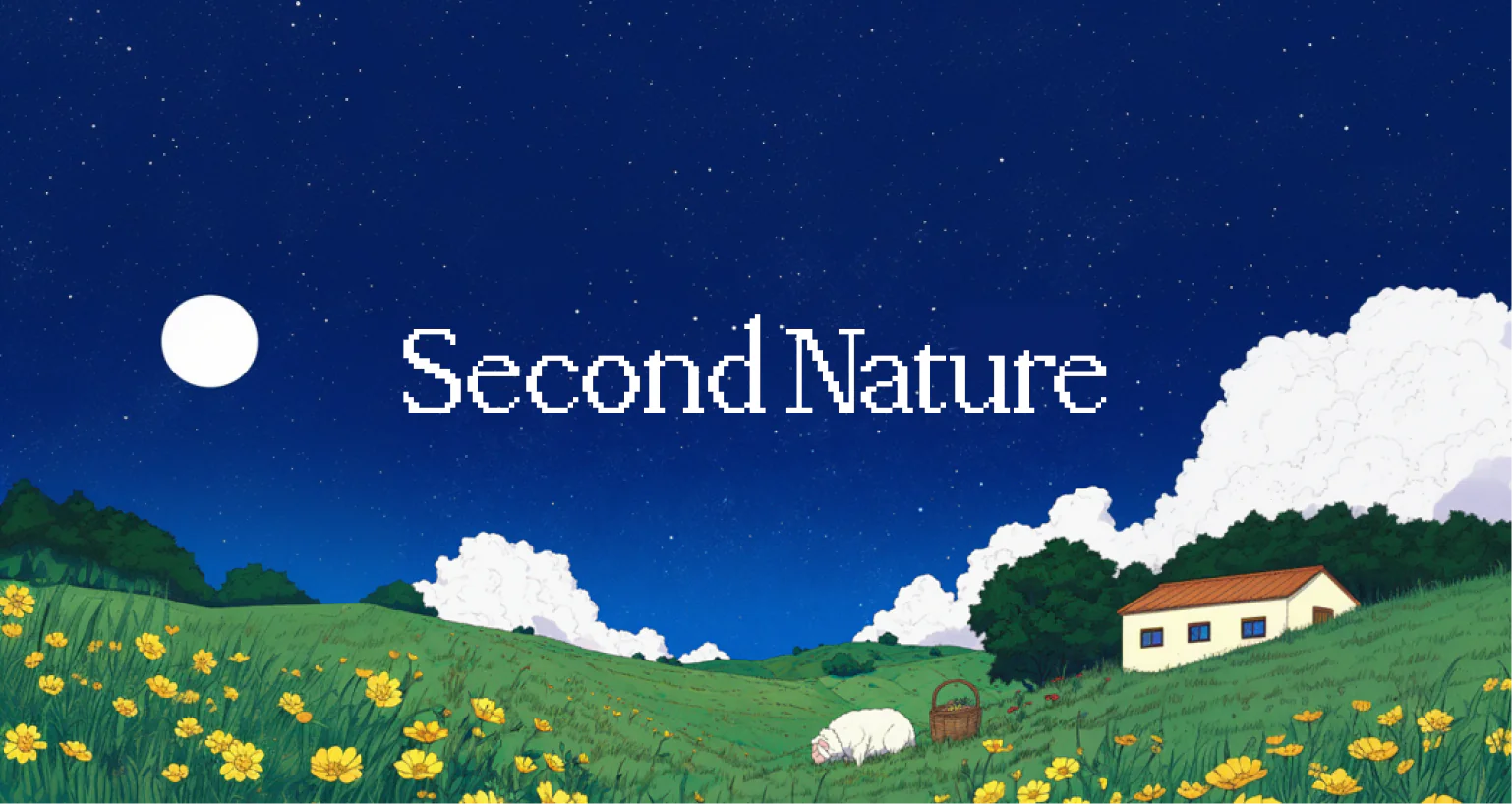
We said we are replicating empathy, which is second nature for us humans. And we are hoping voice becomes second nature for all interactions.
So Second Nature identifies what we are doing and what we are building.
Hence the name for Voice Agents should be Second Nature.
Logo Breakdown
Next step is to craft the logo for Second Nature.
The name "Second Nature" isn't representing an object or a function. It's representing the human nature that we are trying to scale.
So the logo should also represent that human nature.
Spine
We know our nervous systems carry electrical signals to control our body. For that to work, we need a specific molecule called Adenosine Triphosphate (ATP).
When you think "Second Nature" or impulse, this is the molecule running through your spine.

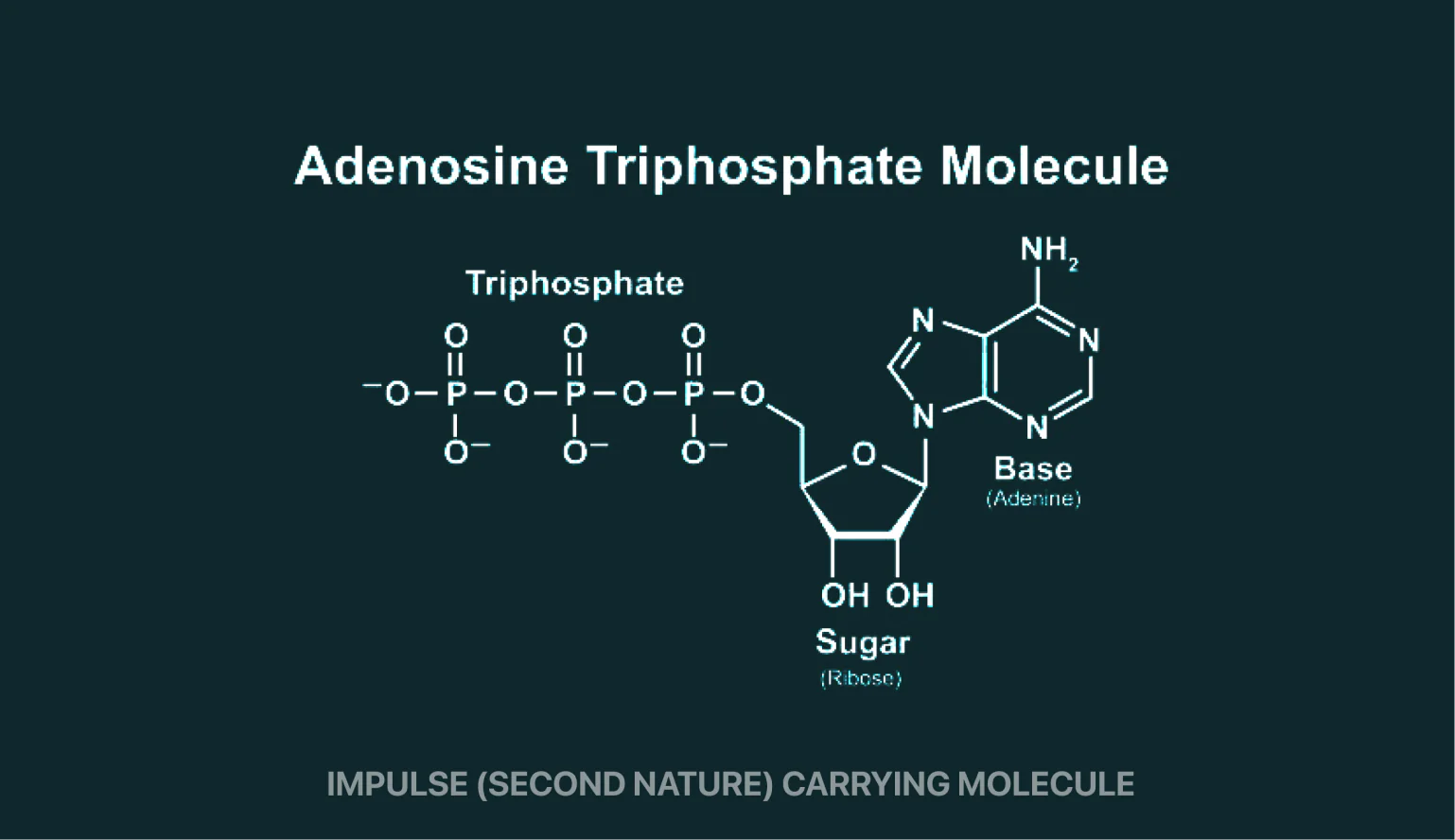
So here we want to focus on the top part, which is the Base (Adenine).
The base acts as an identity card, it tells other molecules how to connect with it.
Since we are helping connect people, this is what should represent the brand.
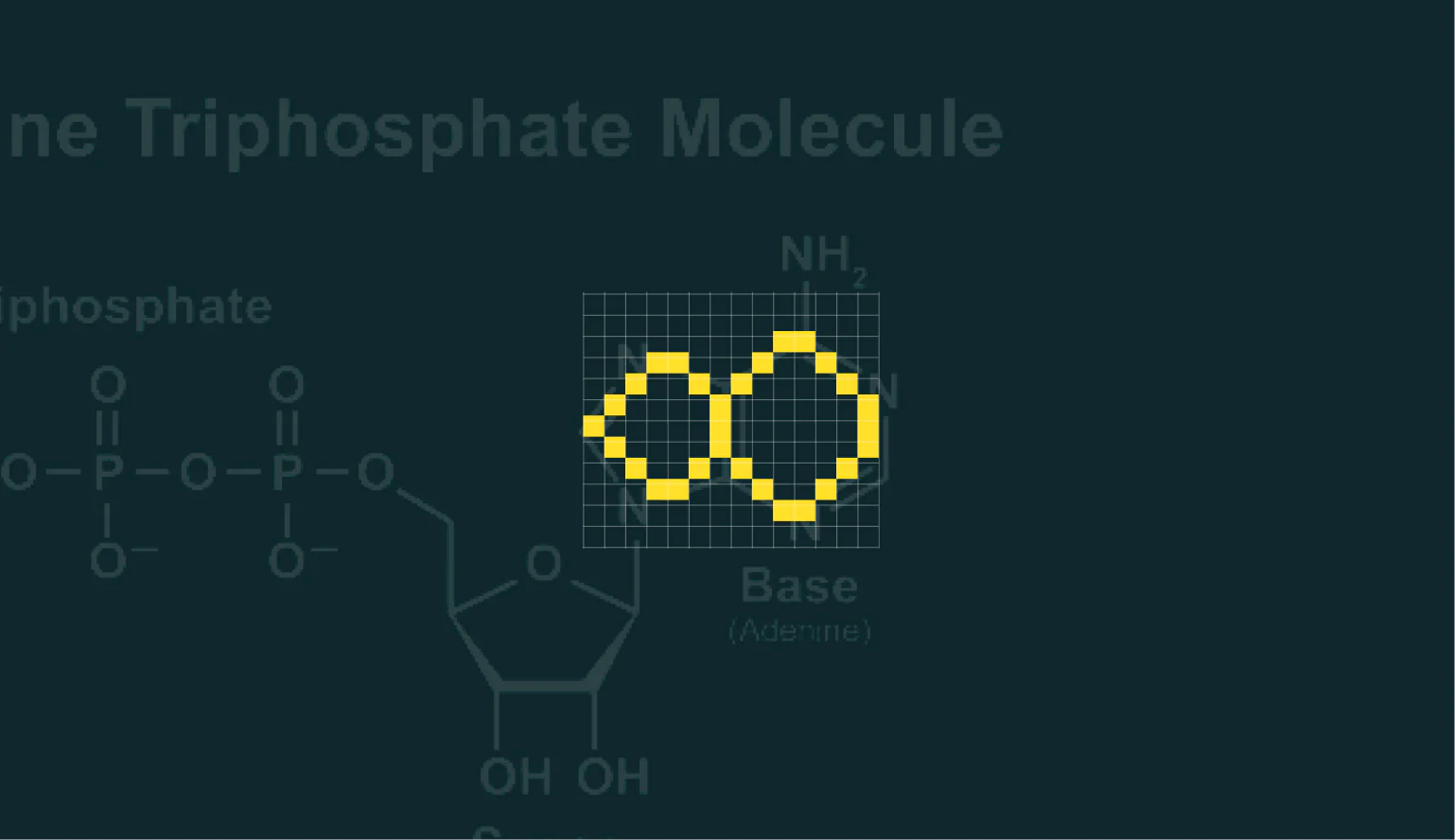
After mapping the base of the molecule, we get our logo.
Applications
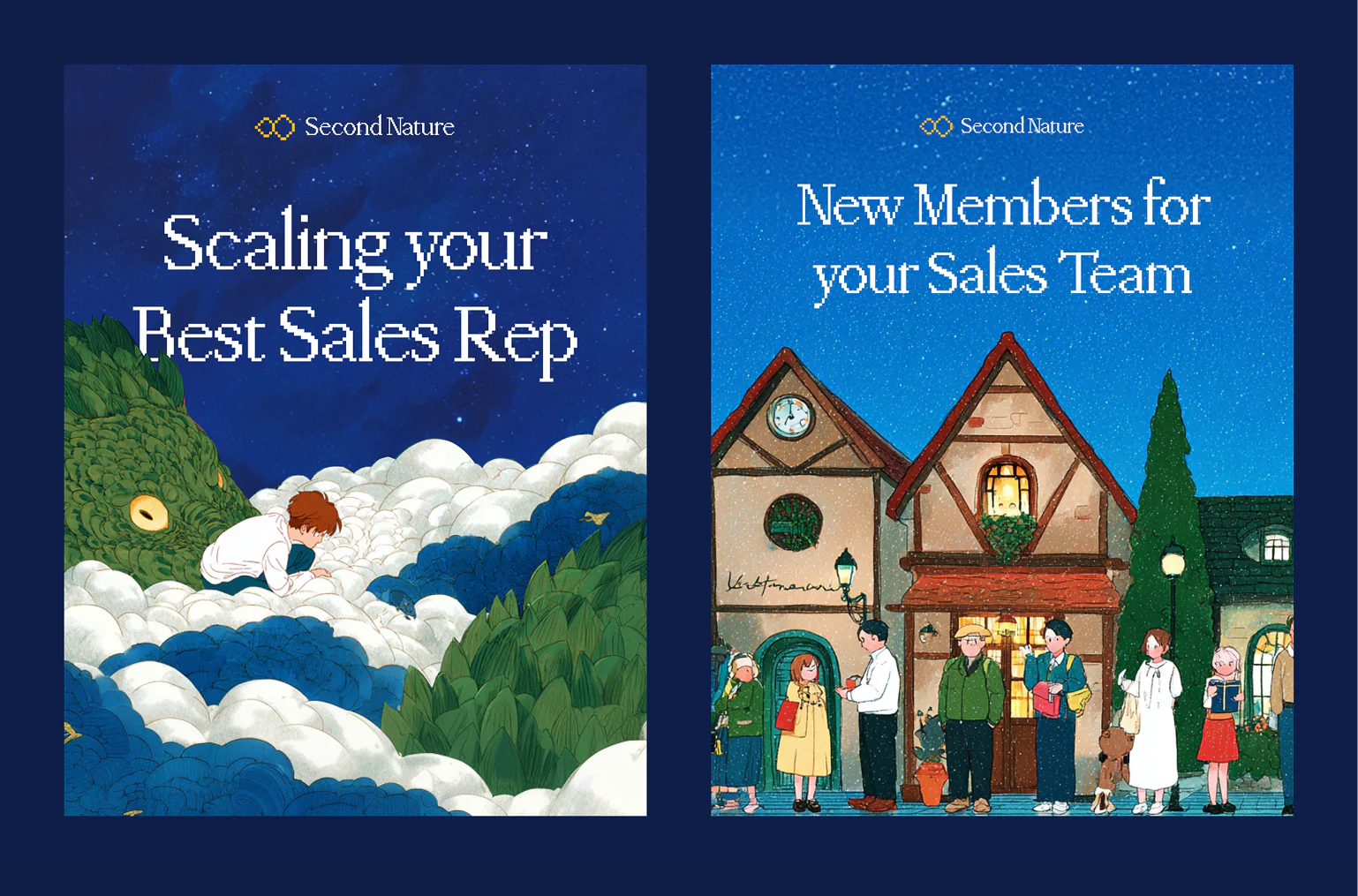
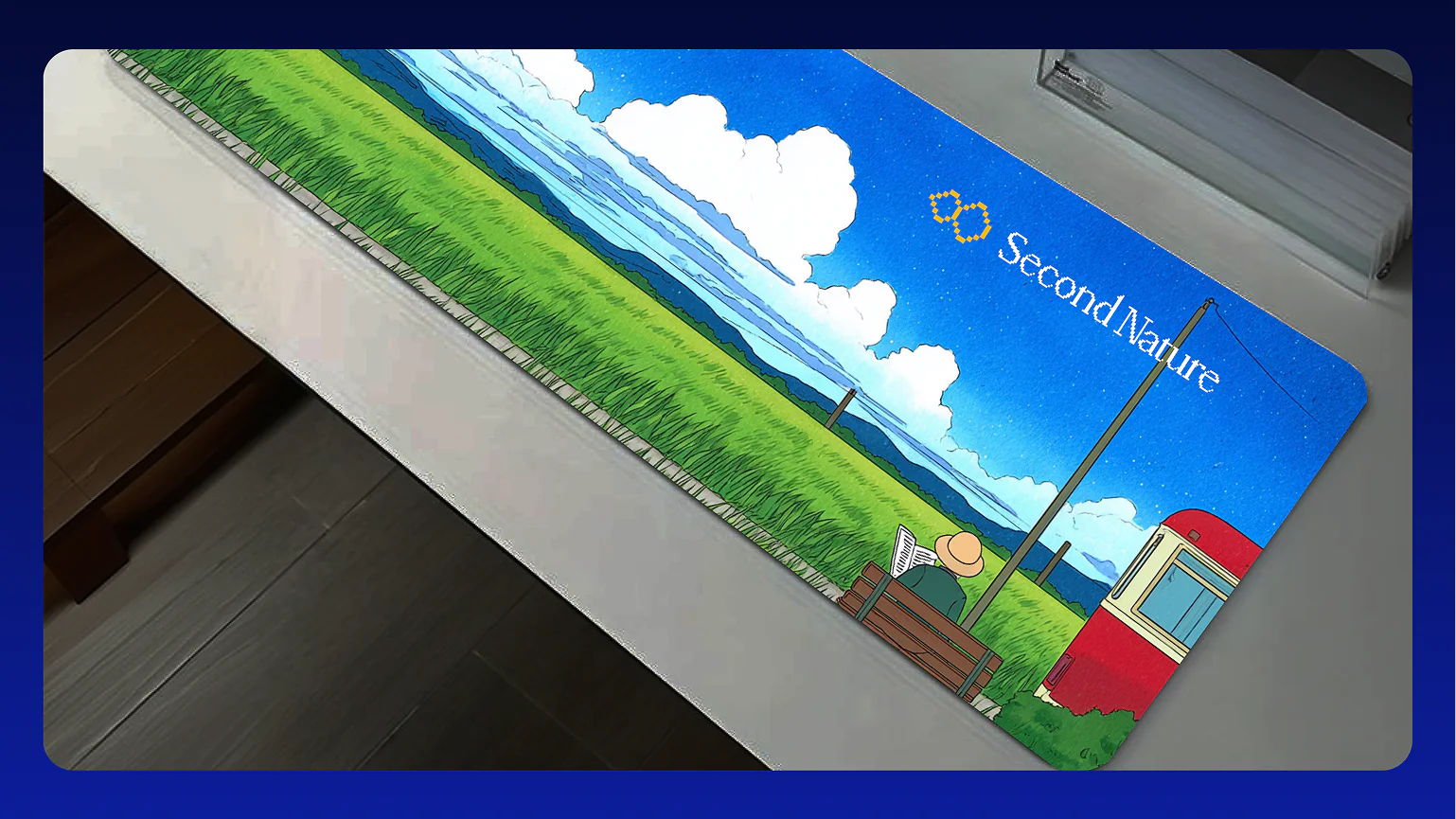
Now that we had the logo and the name, I built some examples of how it would look out in the world.